Top Dental Health Tips for Healthy Teeth and Gums in 2026
1. The Importance of Daily Brushing: 2 Minutes for Success
Brushing your teeth might seem like a mundane task, but it’s a cornerstone of dental health. It’s crucial to brush for two minutes, twice a day. Not only does this routine help keep your teeth shiny, but it also plays a vital role in plaque removal.
According to the Journal of Dental Research, brushing effectively can reduce plaque buildup by nearly 30%. This is particularly important because plaque is a sticky film of bacteria that can lead to cavities and gum disease if not removed.
What surprises most people is that many don’t brush long enough or use the right technique. A study showed that only about 16% of adults brush for the recommended two minutes. If you’re in California or Texas, consider using a timer or an electric toothbrush that buzzes to help you keep track.
By sticking to this two-minute rule, you can significantly improve your oral health. It’s a small commitment that pays off in the long run.
So next time you think about skipping brushing, remember those two minutes can make all the difference.
2. Flossing Frequency: How Once a Day Keeps Gums Healthy
If you think brushing is enough to keep your gums healthy, think again! Flossing is just as crucial—if not more so—for preventing gum disease. Making time to floss once a day can significantly reduce the risk of gingival issues.
A study published in the American Journal of Dentistry highlighted that individuals who floss daily experienced up to a 40% reduction in gum inflammation. That’s a pretty significant number when you consider how much time it takes to floss.
In places like New York and Florida, where sugary snacks are a regular part of life, flossing becomes even more essential. If you find it challenging to remember, try keeping your floss in a spot where you’ll see it daily.
Incorporating flossing into your routine can do wonders for your gum health, potentially saving you from costly dental visits down the road. It’s a simple habit that truly makes a difference.
So, don’t skip the floss—your gums will thank you!
3. The Role of Mouthwash in Reducing Bacterial Load: A Daily Essential
Many folks overlook mouthwash, but it’s an essential ally in your dental routine. Using an antibacterial mouthwash can significantly reduce the bacterial load in your mouth, complementing both brushing and flossing.
Research indicates that mouthwashes containing antibacterial agents can lower harmful bacteria by up to 90%. That’s impressive and could really boost your overall oral hygiene.
In a study conducted in Ohio, participants who incorporated mouthwash into their daily routines reported fewer instances of bad breath and gum irritation. If you’ve ever had a lingering bad taste after eating, you’ll appreciate this benefit.
Incorporating mouthwash is easy—just swish it around for 30 seconds after brushing and flossing. It’s a quick and effective way to help keep your mouth feeling fresh and healthy.
So, don’t underestimate the power of mouthwash; it may just be the boost your dental hygiene needs.
4. Diet's Impact on Oral Health: Foods to Favor and Avoid
Your diet plays a major role in your dental health, and the foods you choose can either boost or damage it. Crunchy fruits and vegetables, like apples and carrots, not only promote saliva production but also help scrub your teeth clean.
In fact, a study from the Journal of Dental Research found that diets high in sugar are linked to an increased incidence of cavities. This isn’t just a casual observation; it’s backed by solid data. For instance, children in Illinois who consume high-sugar diets face a 35% higher risk of tooth decay.
Look, this is especially important if you live in a state like Florida, where sugary drinks are quite popular. Opting for healthier snacks can make a huge difference in your oral health over time. Try swapping out sodas for water or fruit-infused beverages.
Incorporating more dental-friendly foods into your diet doesn’t have to be hard. Just think about what you’re eating and make small changes here and there.
So, next time you’re reaching for that sugary snack, think twice—it could be affecting your smile!
5. The Connection Between Hydration and Saliva Production: Keep Your Mouth Moist
Staying hydrated isn’t just good for your general health; it’s also crucial for your oral health. Proper hydration supports saliva production, which is vital for neutralizing acids and washing away food particles in your mouth.
A study published in the Journal of Oral Health found that individuals who drank plenty of water had 25% fewer cavities compared to those who didn’t. Saliva is your body’s natural defense against decay, so keeping hydrated directly benefits your teeth.
If you live in hot climates like Texas or California, the need for hydration becomes even more apparent. On particularly hot days, don’t let yourself get dehydrated—carry a water bottle with you to ensure you’re drinking enough.
Making sure you’re hydrated isn’t just about drinking water; think about your overall fluid intake from other sources like fruits and herbal teas as well.
So, keep that water bottle handy—your teeth will appreciate it!
6. The Benefits of Regular Dental Check-Ups: What the Experts Recommend
Visiting the dentist might not be your favorite activity, but regular check-ups are essential for maintaining good oral health. These visits can help detect issues early, which can save you time and money in the long run.
A study found that patients who visited the dentist every six months had 40% fewer cavities compared to those who only went once a year. That’s a significant difference that shouldn’t be ignored.
In states like New York and Washington, where dental services are more accessible, there’s really no excuse not to schedule those regular visits. If you haven’t been in a while, now’s the perfect time to book an appointment.
Think about it: a simple check-up can catch potential problems before they become major issues, such as tooth decay or gum disease. Plus, your dentist can provide personalized tips to improve your hygiene routine.
So, don’t put off that dentist appointment—make it a priority for your oral health!
7. The Link Between Dental Hygiene and Systemic Health: Why Mouth Matters
Your mouth isn’t just a separate entity; it’s connected to your overall health. Poor dental hygiene can lead to gum disease, which has been linked to conditions like heart disease and diabetes.
Research indicates that individuals with periodontal disease are 50% more likely to develop heart problems. That’s a staggering connection and one that highlights the importance of maintaining good oral hygiene.
In Illinois, where dental health awareness is growing, studies show an increase in patients discussing how their oral health impacts their overall well-being. It’s becoming clearer that what happens in your mouth doesn't stay in your mouth.
Taking care of your teeth and gums isn’t just about having a bright smile; it’s also about taking care of your body. Simple habits like regular brushing and flossing can extend beyond your mouth and positively influence your overall health.
So, remember—your dental health is directly tied to your general health. Take it seriously!
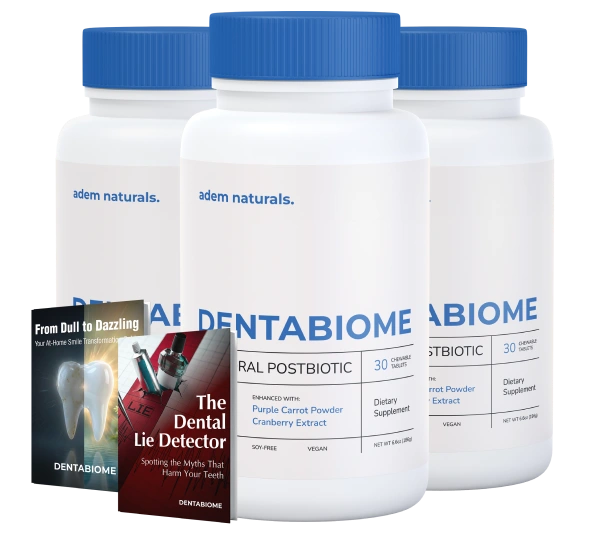
8. The Power of DentaBiome: Supporting Oral Microbiome Balance
The mouth is home to a diverse ecosystem of bacteria, often referred to as the oral microbiome. Balancing this community is key to preventing dental issues. One way to support this balance is by using products like DentaBiome.
Research suggests that maintaining a healthy oral microbiome can significantly reduce the risk of cavities and gum disease. For instance, a study showed that individuals with a balanced microbiome had a 30% lower risk of developing serious dental problems.
In states like Washington and Florida, where dental health issues can be prevalent, using products that support oral microbiomes can be a game-changer. If you’re looking for ways to enhance your dental care routine, consider incorporating DentaBiome.
Keeping the bacteria in your mouth balanced isn’t just about avoiding dental problems; it’s about promoting overall oral health. This simple addition could make a significant difference in your daily routine.
So, take charge of your mouth’s microbiome—your teeth will thank you!
9. Stress and Its Effect on Oral Health: Why You Should Manage Stress
We often talk about stress in relation to mental health, but it can wreak havoc on your oral health too. High stress levels are linked to problems like bruxism (teeth grinding), which can lead to jaw pain and tooth damage.
In fact, studies indicate that individuals dealing with chronic stress are 50% more likely to develop gum disease. That’s a clear connection between your mental state and your dental health that many people overlook.
If you’re in states like Texas or Ohio, where the hustle and bustle can create additional stress, finding ways to manage it is crucial. Simple practices like meditation or regular exercise can be effective in reducing stress and consequently protecting your teeth.
Addressing stress through healthy habits not only benefits your mind but also your mouth. By engaging in stress management techniques, you may find your oral health improving as well.
So, don’t let stress take a toll on your smile—find ways to keep it in check!
10. Unique Dental Care Tips for Kids: Instilling Healthy Habits Early
Teaching your kids about dental hygiene is more important than you might think. Instilling healthy habits early can lead to a lifetime of good oral health. Kids learn best by example, so it’s crucial to model good dental behavior.
Pediatric dental studies indicate that children who have regular dental visits starting at age one are 70% more likely to maintain healthy teeth into adulthood. That’s a compelling statistic to encourage early education!
In states like Florida, where family health initiatives are on the rise, engaging your children in dental care can be fun. Try using colorful toothbrushes or setting a timer for brushing to make it an enjoyable activity.
Incorporating dental health into your family routine can be a bonding experience. Make brushing together a family affair; it can turn a chore into quality time.
So, start teaching your kids about the importance of dental health today, and you’ll set them up for a lifetime of smiles.
Key Takeaways
- Brushing for two minutes twice a day is essential for plaque control.
- Daily flossing prevents gum disease and promotes overall gum health.
- Using mouthwash can effectively reduce harmful bacteria in the mouth.
- A balanced diet is crucial for maintaining healthy teeth and gums.
- Staying hydrated supports saliva production, which protects against cavities.
References & Sources
- The Effect of Brushing Time on Plaque Removal — PubMed
- Flossing and Gingival Health: A Systematic Review — PubMed
- Impact of Mouthwash on Bacterial Load in the Oral Cavity — PubMed
- Dietary Sugars and Their Relation to Caries — PubMed
- Hydration Status and Oral Health: A Review — PubMed
- Preventive Dental Visits: Evidence from 20 Years of Research — PubMed
- Oral Health and Systemic Diseases: A Review — PubMed
- The Role of the Oral Microbiome in Health — PubMed